I know that the word "meteorology" is difficult to pronounce and sometimes even spell. But some, whether unintentional or otherwise, pronounce it like "metrology," or its descriptive form "meteorological" as "metrological." It might be all right, because not so many people know about metrology, and even some spell checkers think it is a misspelling. But in fact, this is how it is defined:

civil, structural, typhoon, wind, earthquake, and structural dynamics engineering
Showing posts with label new learnings. Show all posts
Showing posts with label new learnings. Show all posts


20130112
A tragic event due to faulty construction?
Check out the video on this link: http://www.facebook.com/photo.php?v=1817415148842. (Thanks to my friend VIR for sharing the link.) The tragedy is not even due to an earthquake, other natural disasters, nor even a terrorist attack.
My friend ponders, is it the designer's or the contractor's fault?
My friend ponders, is it the designer's or the contractor's fault?
20120918
"High-rise" and "tall" buildings, and the 10 worst collapses in history
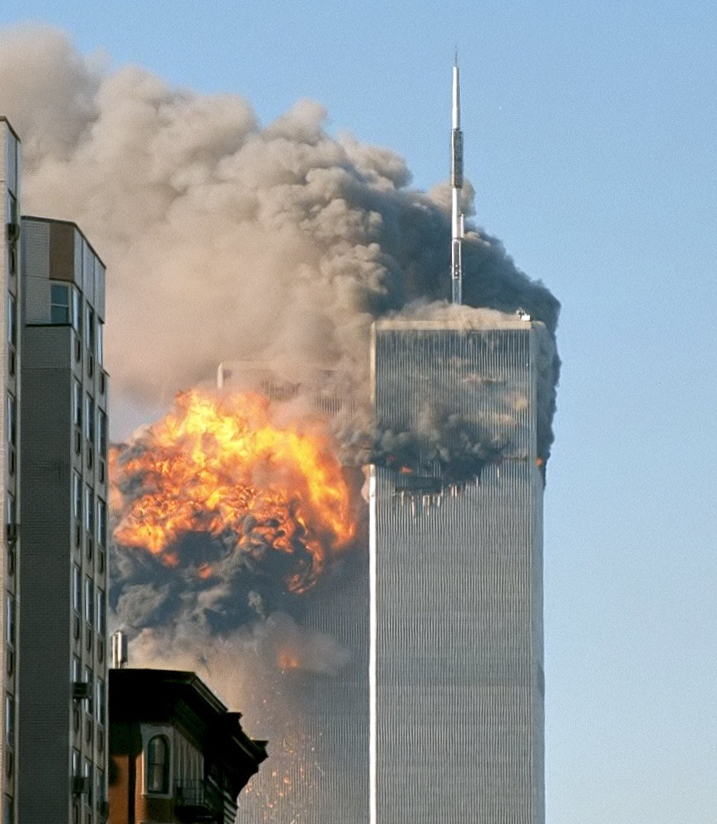 |
| Image from Wikipedia |
Anyway, check out this list on bestonlineengineeringdegree.com of the 10 worst high-rise building collapses in history. If in case the link stops working, you can try this Google-cached copy of the webpage:
20110903
Engadget: Detroit DIYer cooks up stronger, lighter steel, shames scientists
Read this (rather old) article on Engadget. What's your first impression, fellow civil/structural engineer?
Here's the thing. In structural design, we want the steel to be ductile, not brittle. In the steel we know of and have been using, usually stronger means more brittle. That's more dangerous to use in design.
So that is one question left unanswered by this discovery. Is it steel we can actually use in civil/structural design in place of the current types of steel we commonly use? i.e. does it have sufficient ductility? Granted, it's not to say it doesn't have any use at all.
20110125
"A journey around the edge of wind engineering"
This is a report on ‘A journey around the edge of wind engineering,’ an Intensive Course lecture by Prof. Chris Baker, that I submitted as part of the requirements in my PhD study.
20100509
PhD in Wind Engineering
Last April 16, 2010 I came back to Tokyo Polytechnic University in Atsugi, Japan, but this time as a PhD candidate particularly in the field of (structural) wind engineering. I hope to share with you all some of the things I learned and some of my work. Actually my post on May 3, 2010 is an example of school work (a class report specifically) that I prepared while here.
Subscribe to:
Posts (Atom)